A Short History of Vinyl Records
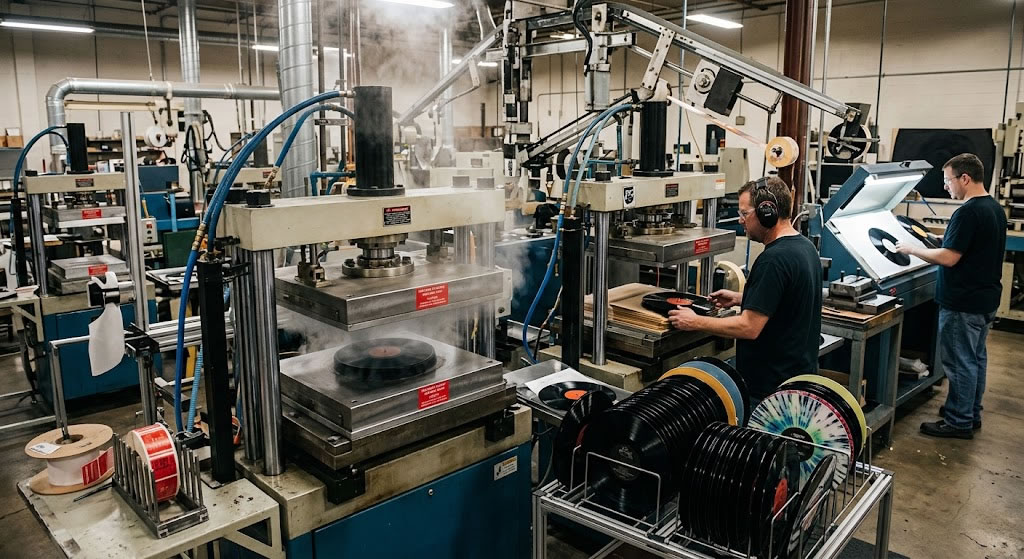
Creating a vinyl rendering of a musical performance relies on a combination of skilled audio engineering, graphic artistry and an industrial process designed to accurately replicate analog sound waves into hundreds or thousands of physical end-products that you can hold in your hands. Just for fun, let's give this more than a century old process a little historical context.
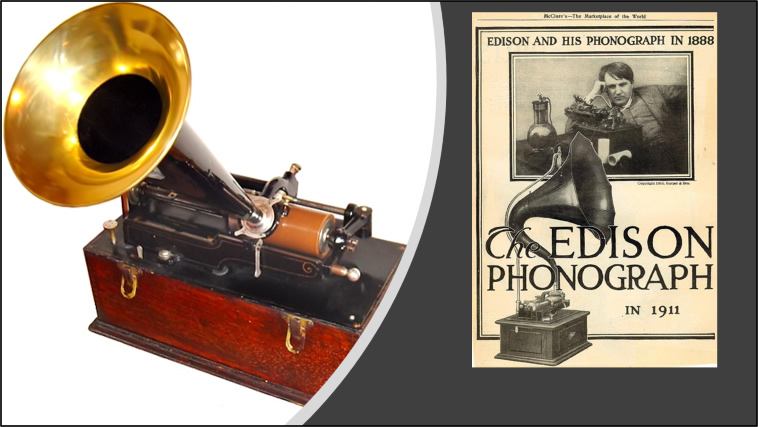
Thomas Edison, among his many other inventions, is famous for, in 1877, creating a mechanical and then electrical reproduction of sound with his iconic sound horns. The analog waves were etched onto a rotating wax cylinder directly from the presented sound and then later from a first generation "master" cylinder.
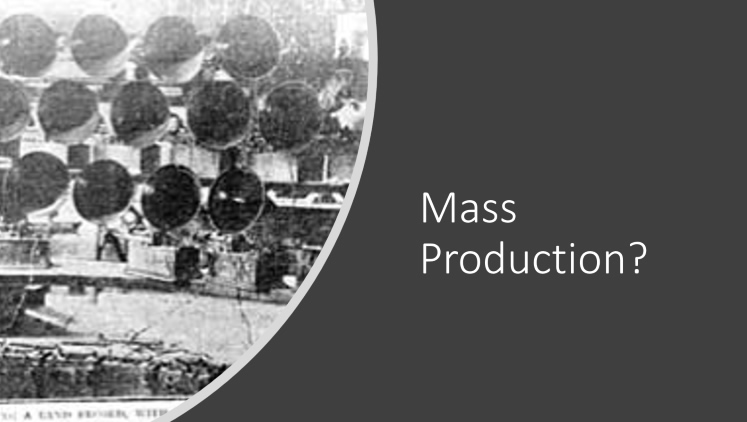
The earliest method of mass replication was to simply repeat the live performance over and over again into multiple soundhorns attached to the wax cylinders. This fuzzy picture shows an actual array of recording devices set to transcribe a speech or song.
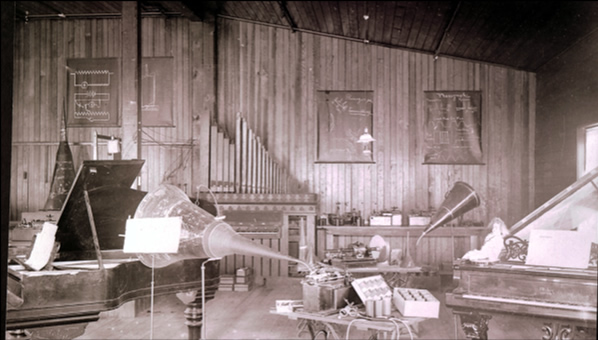
Take a look at this modern, multi-horn studio circa 1900. The wax cylinders at best could only hold 2-3 minutes of content, which on the positive side allowed for lots of repetitive live"takes" over a few hours.
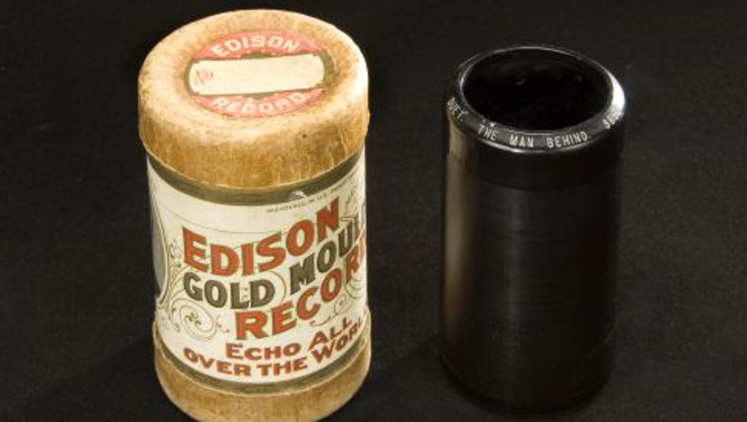
Edison, always looking to make a better mousetrap, then developed a metallic master cylinder that could be formed from a single wax master. This method involved applying a vaporized gold solution into the wax master grooves as a conductive seed layer (hence "Gold Mould") in a vacuum chamber followed by laying copper onto it using electroplating.
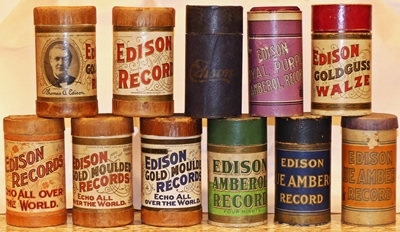
Blank wax cylinders are inserted into the mold and heated and expanded so that the mold patterns would impress into the wax. These were branded “Edison Gold Moulds” and are collector’s items today but not worth all that much as there are still quite a few of them out there. You can even find devices to play them.
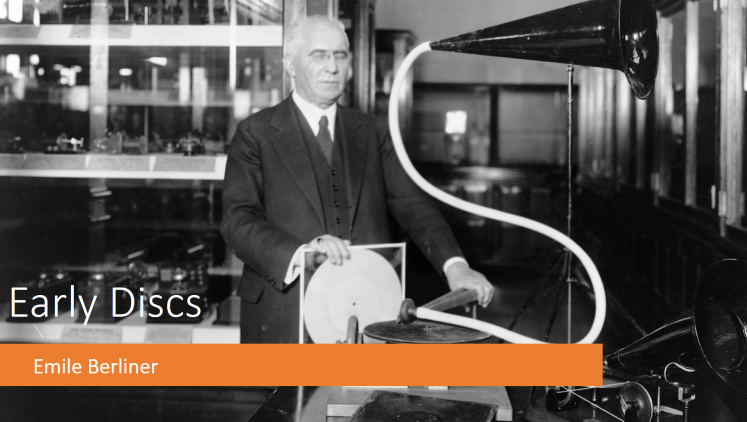
Lateral cut discs were first introduced by Emil Berliner around 1889. He founded the Gramophone Company in 1894 and later the Deutsche Grammophon label in Germany. The earliest discs were inferior in sound quality to cylinders, but because of continuous enhancements and the ability to press these with a metal mold, discs ultimately won this early format battle.
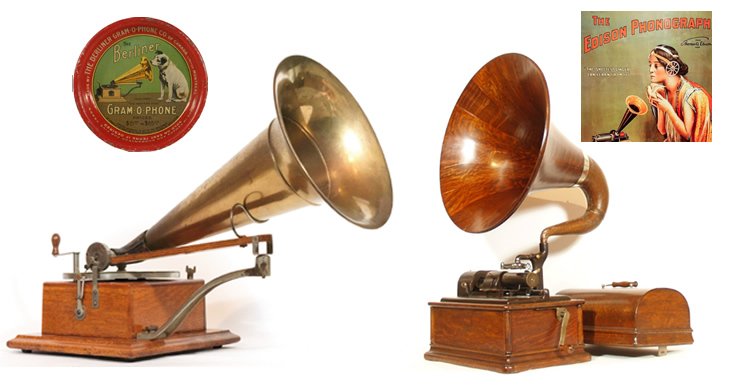
But this original audio format "war" did not end right away. Edison fought valiantly to compete against the discs by increasing the cylinders' recording time and stressing the higher sound quality and less than ideal structural composition of Berliner's discs.
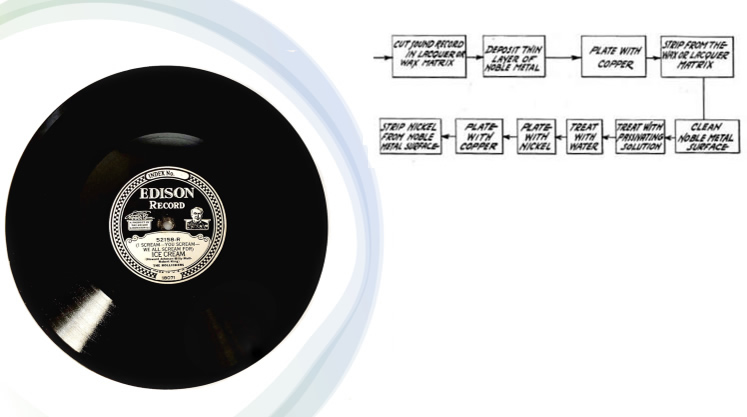
Ultimately, Edison did abandon the cylinders and set out to improve the material composition and processes for disc reproduction. The handwritten flow-chart shown is from his 1914 patent application for manufacturing discs. It looks quite similar to today's stamper plating methods, without the copper element.
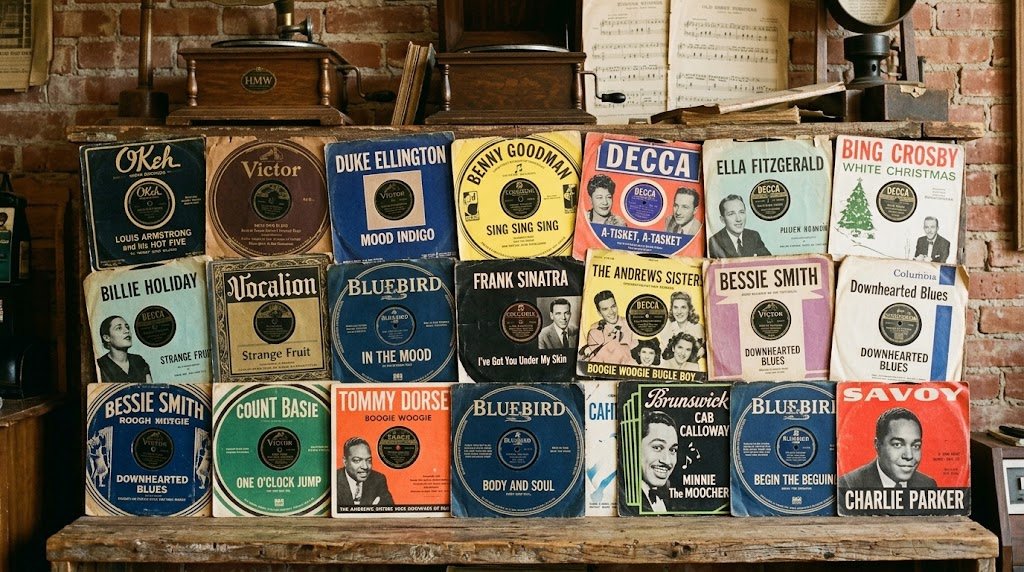
Early discs were set to spin at various speeds, but were standardized at 78-rpm in 1925. With the advent of electrical microphones at the same time (replacing sound horns), mass retailing of 78s hit its heyday and helped fuel the spread of jazz, blues, swing and early country music into people's homes up through the 1940s. And yet the longest running time per side on a 12-inch 78 was 4-5 minutes.
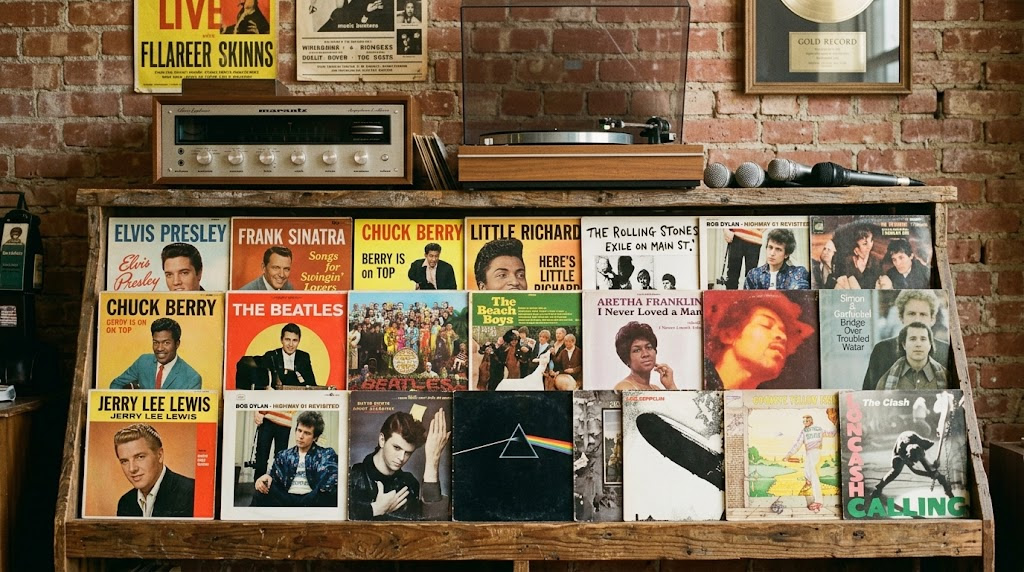
In the late 1940s, Columbia Records introduced the 12" 33 1/3-rpm Long Play (LP) vinyl, holding up to 20+ minutes per side, creating a whole new platform for artists and listeners that exploded through the 50s, 60s, and 70s. (7" 45-rpms also became pervasive for promoting hit singles.) Millions of LPs produced in that era are still being traded as collectibles or re-issues to this day.
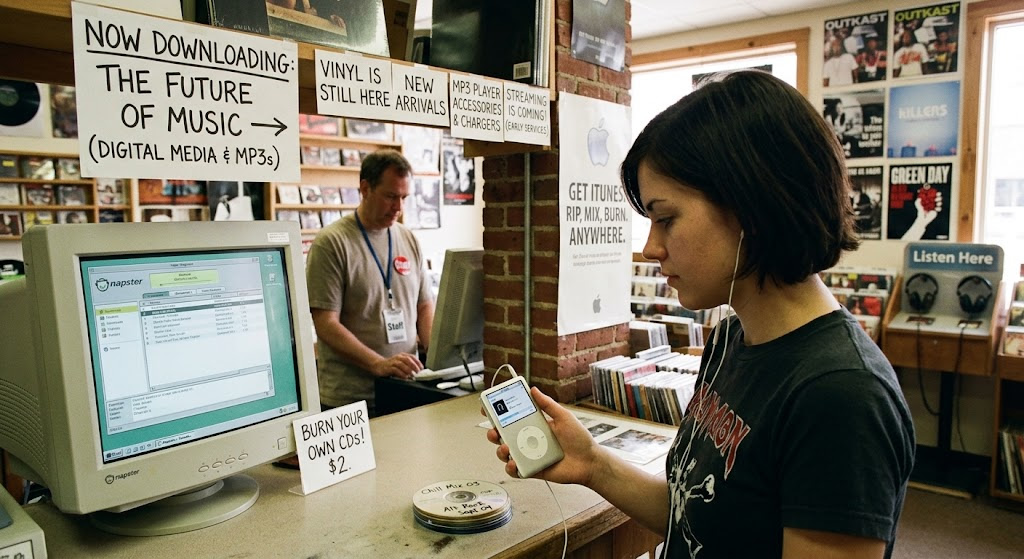
The introduction of CDs (compact discs) in the mid-1980s began replacing sales of vinyls, with peak CD sales around 2000. Then, digital music in the form of MP3 players and streaming services brought both vinyl and CDs to the brink of market extinction. While broader access to all types of music has been great for fans and artist exposure, streaming provides very little remuneration for the majority of musicians.
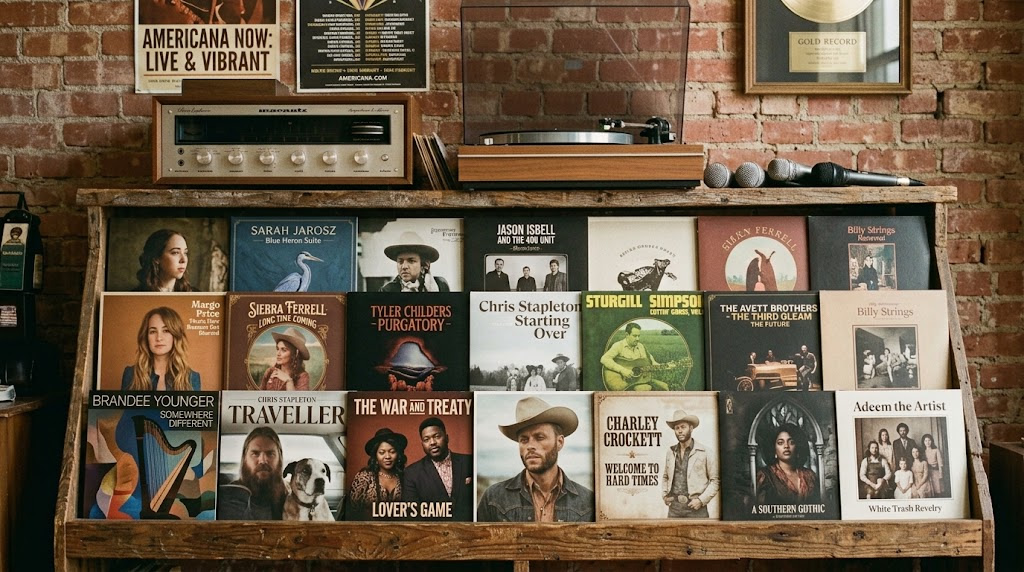
The revival of vinyl records—reaching over $1 billion in sales in the U.S. alone—is a cultural and economic shift away from pure digital convenience toward physical connection. Tangible art - including visual graphics in addition to the warm, crisp sound provides fans with music "ownership" as well as a way to support artists through sales of profitable merch offered at concerts, websites, and even local brick and mortar shops.
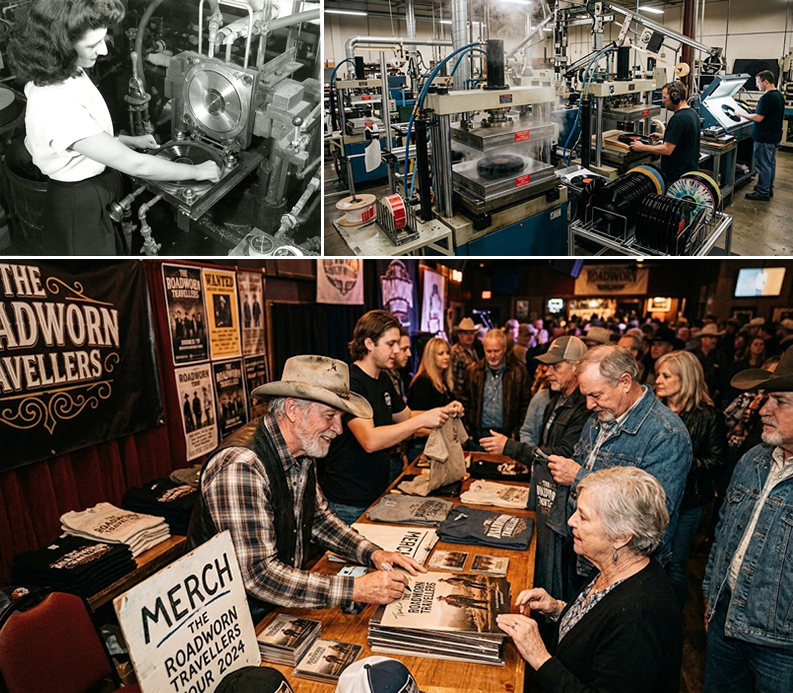
While today's vinyl manufacturing processes remain strikingly similar to those of a century ago, modern artists don't need a big label to have access to high-quality production and pressings in runs from a few hundred to tens of thousands at an affordable cost. Additionally, the vinyl community is actively addressing environmental concerns by adopting eco-friendly practices, including increased use of bio-sourced and recycled materials.
Contact us for a free consult on producing your next album on vinyl!